Lineage 2 Features and Server Selection Based on Chronicles, Rates, and Online
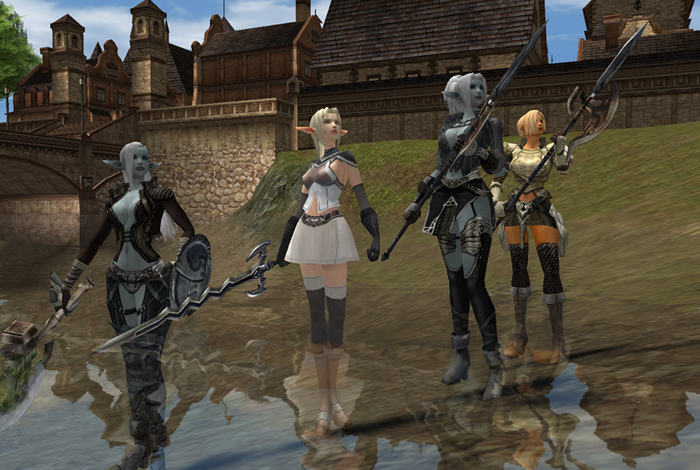
Lineage 2 is an iconic MMORPG where massive PvP battles, clan diplomacy, and long-term character development play a key role. Players are drawn to the combination of leveling, raid boss hunting, castle sieges, and an economy tied to trade and resource extraction.
The choice of server determines the pace of progression, the value of equipment, and the overall playstyle: from relaxed PvE farming to fierce competition for spots, epics, and territory. To enjoy the game, it’s important to understand in advance which mechanics and rules a particular project is right for you.
How to choose a server: criteria and a practical approach
The first thing to determine is your desired pace. Low rates are suitable for those who value gradual progression, the importance of each upgrade, and a long-term economy. High rates are geared towards a quick entry into PvP and activity in short seasons. Chronicles are also important: different versions of the game change the class balance, the range of available zones, the presence of certain mechanics, and the overall tempo.
- x1–x5: slow progression, value of equipment and resources, long server life.
- x10–x50: a compromise between comfortable leveling and maintaining the importance of the economy.
- x100+: a quick start, focus on PvP and events, often a seasonal format.
Online, Competition, and Project Rules
Online influences everything: group search, market saturation, availability of farming locations, and PvP intensity. When choosing a server, it’s helpful to evaluate not only peak numbers but also weekday stability in advance. It’s also worth examining the rules: attitudes toward multi-windowing, the permissibility of auto-buffs, the presence of premium systems, trading restrictions, and bot/script policies.
Donations, Balance, and the Long-Term Outlook
The final check is how monetization affects character strength. If a store sells direct advantages (enchantments, epics, resources), this accelerates progress but may reduce the value of achievements. A healthier option is cosmetics, services, moderate comfort, and acceleration without exclusive “invincible” equipment.
To avoid mistakes, compare several projects on similar points and choose the one whose rules and pace align with your goals. The same Lineage 2 server might be ideal for clan PvP, but inconvenient for relaxed solo play – so focus on your own style and available time.
Summary: How to Choose a Server and Enjoy Lineage 2
Lineage 2 truly shines only when your playstyle and the server rules align: leveling pace, equipment availability, siege frequency, economy, and community activity. There is no universally “best” option – there is a format that suits you.
Before starting, it’s important to soberly assess how much time you are willing to devote to the game, whether you want to compete in PvP and sieges, whether you are interested in crafting and trading, and how dependent you are on a party or clan. This reduces the risk of disappointment and saves weeks of progress.
Key criteria for choosing a server
- Chronicles and mechanics: choose a version of the game that suits your comfort level with classes, balance, buff system, and relevant zones.
- Rates and tempo: low rates indicate long progression and the value of resources; High ones – about a quick start and frequent PvP.
- Online and community: a stable online presence and vibrant clans are more important than “fine promises” in the description.
- Economy: the availability of donations, their impact on character strength, adena availability, and reasonable market prices.
- Technical and administrative aspects: stability, protection from bots/cheats, transparent rules, regular updates and support.
- Your goals: solo play, PvE farming, Olympus, mass sieges, role-playing – each goal requires its own server type.
Choosing the right server means choosing conditions that will keep you coming back to the game: developing, finding allies, participating in events, and experiencing a sense of progress. Focus on your own priorities, check the project’s reputation, and start where the rules enhance enjoyment rather than turning the game into a chore.