Rules for safely opening car doors and useful tips for doing so
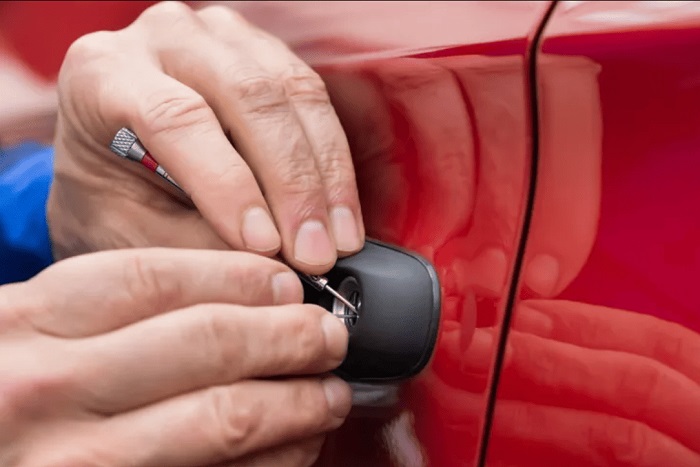
Opening car doors requires specific knowledge and skills, especially if you’ve lost your keys or the lock is faulty. To safely and effectively complete this task, it’s important to strictly adhere to certain rules to avoid damaging the door frame or the car’s internal mechanisms. If you need to call a professional, it’s best to choose an experienced locksmith Cambridge who can help you avoid unnecessary damage and minimize time.
The Right Steps for Safely Opening a Car Without Damage
Before you begin opening a car, it’s important to determine the reason for its need. If you’ve lost your keys or the lock system is damaged, following the correct methods will help avoid damage to exterior components and locks.
The next step is preparing your tools. Use only specialized tools designed for opening cars, and ensure they are in good working order. Selecting the right tools will reduce the risk of damaging doors and windows.
Steps for Safely Opening a Car
- Assessing the Situation and Choosing a MethodDetermine the type of lock and its condition. In some cases, a pocket chain or plastic blades can be used, while in others, specialized hydraulic tools will be required.
- Using Lifting ToolsCarefully insert the selected tools between the door and the body, being careful not to damage the paintwork. Slow and precise intervention will help avoid damage.
- Prying open the door frame or lockIf necessary, use a hydraulic or plastic lever to safely open door handles or locks. Work smoothly and do not use excessive force.
- Inspection and CompletionAfter opening the door, inspect the integrity of the lock and trim. Consulting with a professional will help eliminate any unexpected damage.
Steps for Determining the Lock Type and Preparing Tools
Before opening car doors, it’s important to correctly identify the lock type. This will significantly increase the chances of successful opening and reduce the risk of damage.
To do this, you need to visually inspect the lock and understand its design: most common types are cylinder, disc, or electromechanical, each requiring different approaches and tools.
Determining the Lock Type and Preparing Tools
The first step is a visual inspection of the lock. Cylinder locks typically have an external cylinder and keyhole; they are easier to identify. Disc locks often have a more complex design with visible discs or shafts inside. Electromechanical locks may have power components and connectors, which also aids in their identification.
Once you’ve determined the lock type, you need to prepare the appropriate tools. Pull or lift hooks and picks are typically used for cylinder locks, while disc locks require special breakers or picks with a more precise profile. It’s also important to have a set of screwdrivers, pins, fine tools for accessing hard-to-reach areas, and lighting fixtures for more precise work.
Before starting work, ensure all tools are in good working order and suitable for the chosen opening technique. This will ensure the safest and most effective procedure, avoiding damage to the vehicle and your hands.
Using laser devices requires knowledge, care, and adherence to safety regulations. A proper approach to operation not only allows for effective opening but also reduces the risk of damage or injury. Ongoing training, following the manufacturer’s recommendations, and care are the keys to successful use of these devices.